

Galerie Photos Toucher pour sélectionner
Fiche Artiste
Plus Grands Succès Box-Office
- 🎬 Voyage à Tokyo 1953
- 🎬 Printemps tardif 1949
- 🎬 Été précoce 1951
Vous êtes cet artiste ou son représentant ? Mettez à jour votre profil officiel.
Contacter l'équipe Rédaction →Annonceurs : Boostez votre visibilité auprès des passionnés du cinéma français.
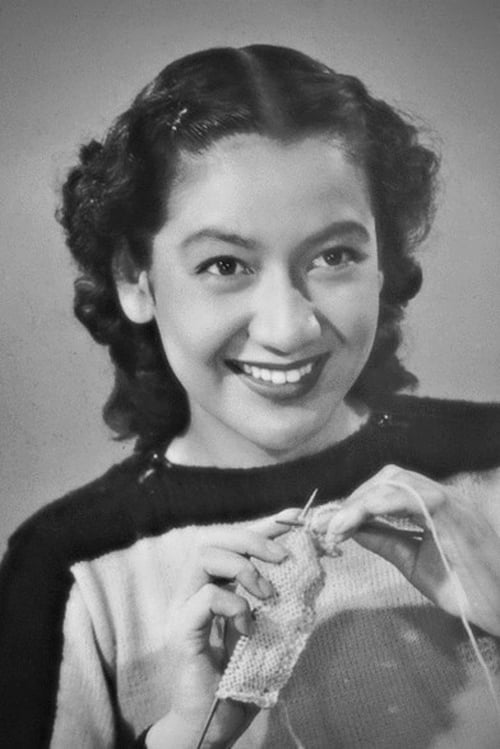
Annoncer sur CinemaFrançais.fr →Setsuko Hara
Biographie
From Wikipedia, the free encyclopedia. Setsuko Hara (June 17, 1920 – September 5, 2015) was a Japanese actress who appeared in six of Yasujirō Ozu's films, most notably as Noriko in the "Noriko Trilogy": Late Spring (1949), Early Summer (1951), and Tokyo Story (1953). Her other films for Ozu were Tokyo Twilight (1957), Late Autumn (1960), and finally The End of Summer in 1961. She was born Masae Aida in Yokohama, Kanagawa prefecture. She came to prominence as an actress at an early age, in the 1937 German-Japanese co-production Die Tochter des Samurai (Daughter of the Samurai), known in Japan as Atarashiki Tsuchi (The New Earth), directed by Arnold Fanck and Mansaku Itami. She also starred in films by Akira Kurosawa, Mikio Naruse, and other prominent directors. She was called "the Eternal Virgin" in Japan and is a symbol of the golden era of Japanese cinema of the 1950s. She suddenly quit acting in 1963 (the same year as Ozu's death), and led a secluded life in Kamakura, refusing all interviews and photographs. Her last major role was Riku, wife of Ōishi Yoshio, in the 1962 film Chushingura. She was the inspiration for the protagonist of the 2001 movie Millennium Actress. Description above from the Wikipedia article Setsuko Hara, licensed under CC-BY-SA, full list of contributors on Wikipedia.
Filmographie
90 titres au catalogue
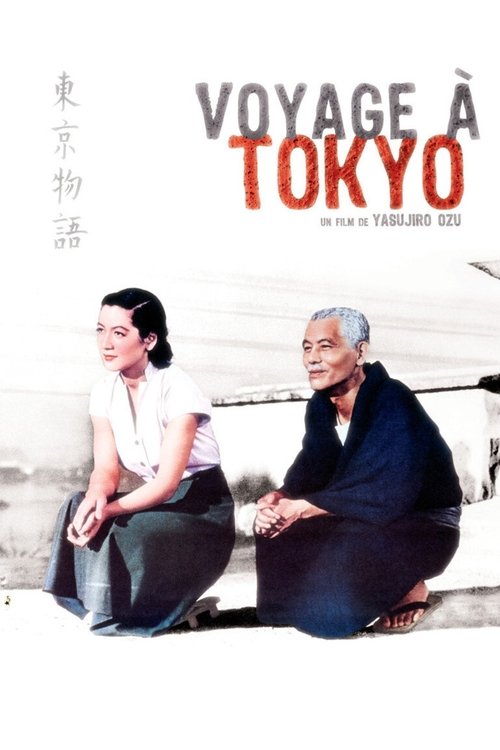 ★ 8.1
Voyage à Tokyo
Rôle : Noriko Hirayama
1953
 ★ 8.0
Printemps tardif
Rôle : Noriko Somiya
1949
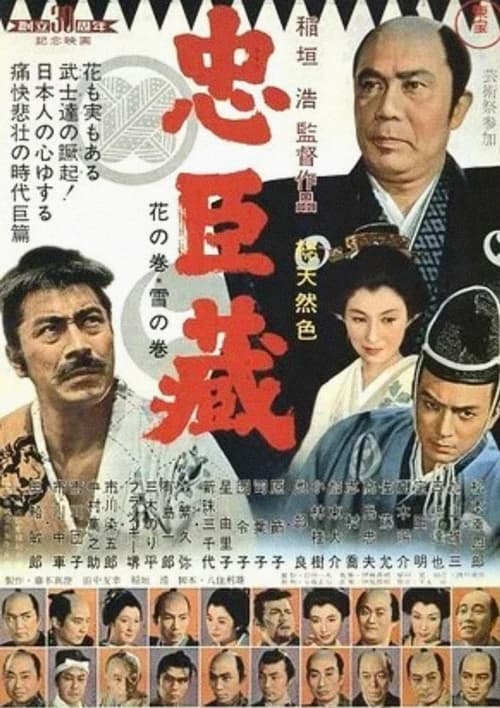 ★ 7.1
Chûshingura
Rôle : Riku Oishi
1962
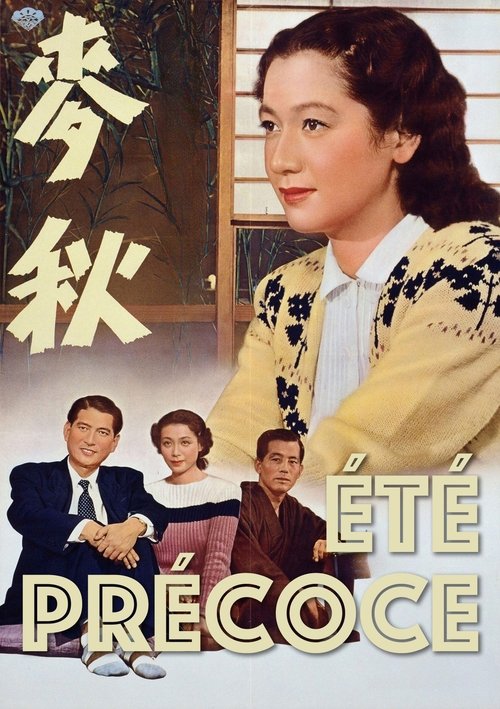 ★ 7.9
Été précoce
Rôle : Noriko Mamiya
1951
 ★ 7.5
Dernier caprice
Rôle : Akiko
1961
 ★ 7.0
L'Idiot
Rôle : Taeko Nasu
1951
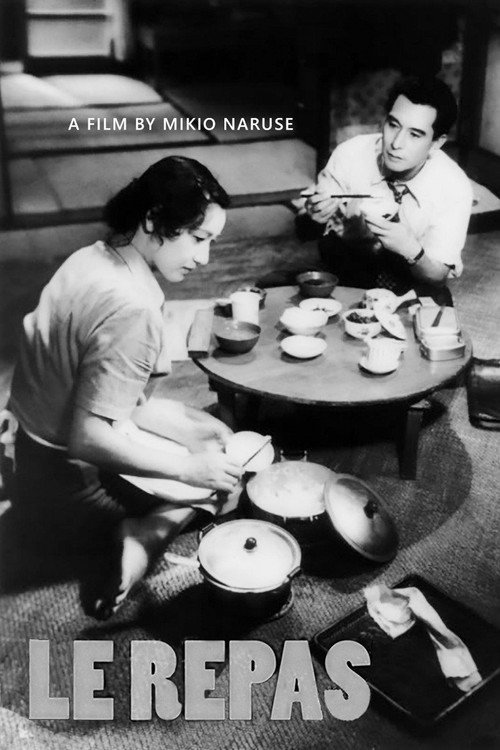 ★ 7.6
Le Repas
Rôle : Michiyo Okamoto
1951
 ★ 7.7
Crépuscule à Tokyo
Rôle : Takako Numata
1957
 ★ 6.9
Je ne regrette rien de ma jeunesse
Rôle : Yukie Yagihara
1946
 ★ 5.5
日本誕生
Rôle : Amaterasu, the Sun Goddess
1959
 ★ 7.7
Fin d'automne
Rôle : Akiko Miwa
1960
 ★ 7.1
Priest of Darkness
Rôle : Onami
1936
 ★ 7.3
Fille, épouse et mère
Rôle : Sanae Soga
1960
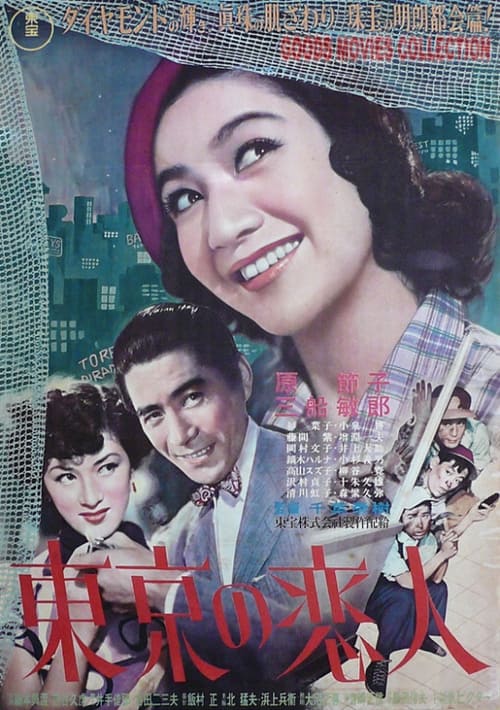 ★ 8.0
Tokyo Sweetheart
Rôle : Yuki
1952
 ★ 8.0
东游记
Rôle : Showa Kinema Actress
1940
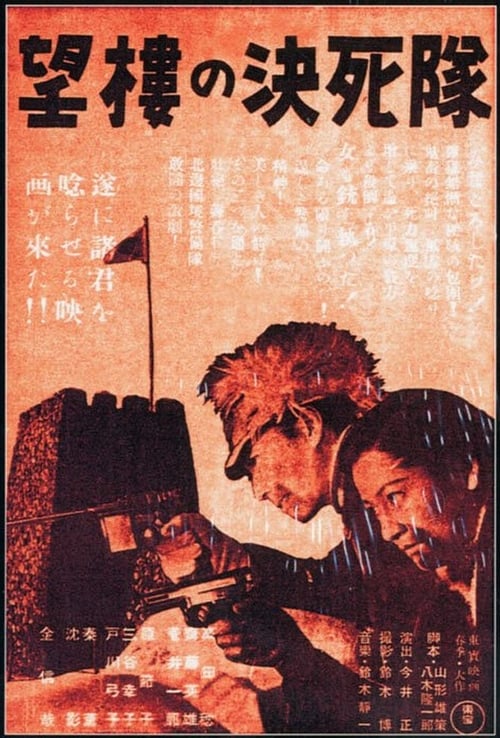 ★ 6.8
Les Kamikazes de la tour de guet
Rôle : Yoshiko
1943
 ★ 7.4
Le Grondement de la montagne
Rôle : Ogata Kikuko
1954
 ★ 7.1
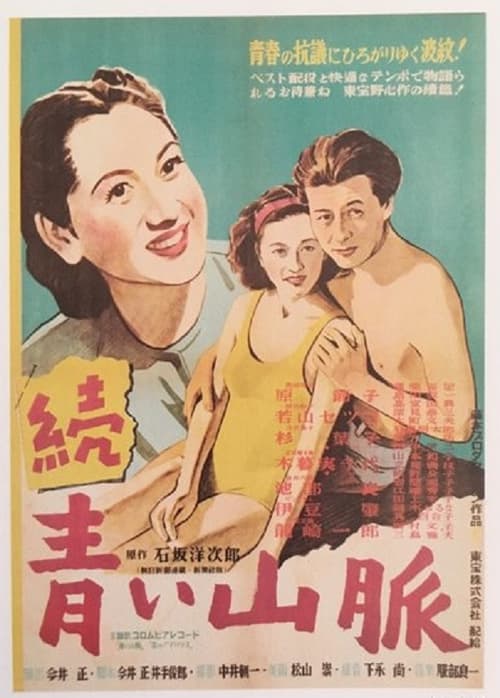
La Montagne bleue, 2e partie
Rôle : Yukiko Shimazaki
1949
 ★ 6.7
Pluie soudaine
Rôle : Fumiko Namiki
1956
 ★ 6.0
新しき土
Rôle : Misuko Yamato
1937